

Vegetable oil is made by separating oil from seeds or other oil-rich plant material. Many supermarket seed oils go through preparation, pressing or direct solvent extraction, and refining; hexane helps recover oil that mechanical pressing leaves behind. Cold pressing uses mechanical pressure without added heat or extraction solvents.
- The oil is already in the seed. Pressing or solvent extraction separates it from the solids.
- Extraction and refining are different. Extraction recovers oil; refining changes its colour, flavour and other properties.
- Hexane increases recovery. Plants separate it from the oil and meal and recycle it.
- Cold pressing follows a shorter route. Press the seed, collect the oil, then settle or filter it.
How vegetable oil is made in a large plant
The exact process depends on the seed and the finished product. A canola plant commonly combines pressing and solvent extraction. Oklahoma State University’s guide to oil extraction explains how the process varies between seeds.
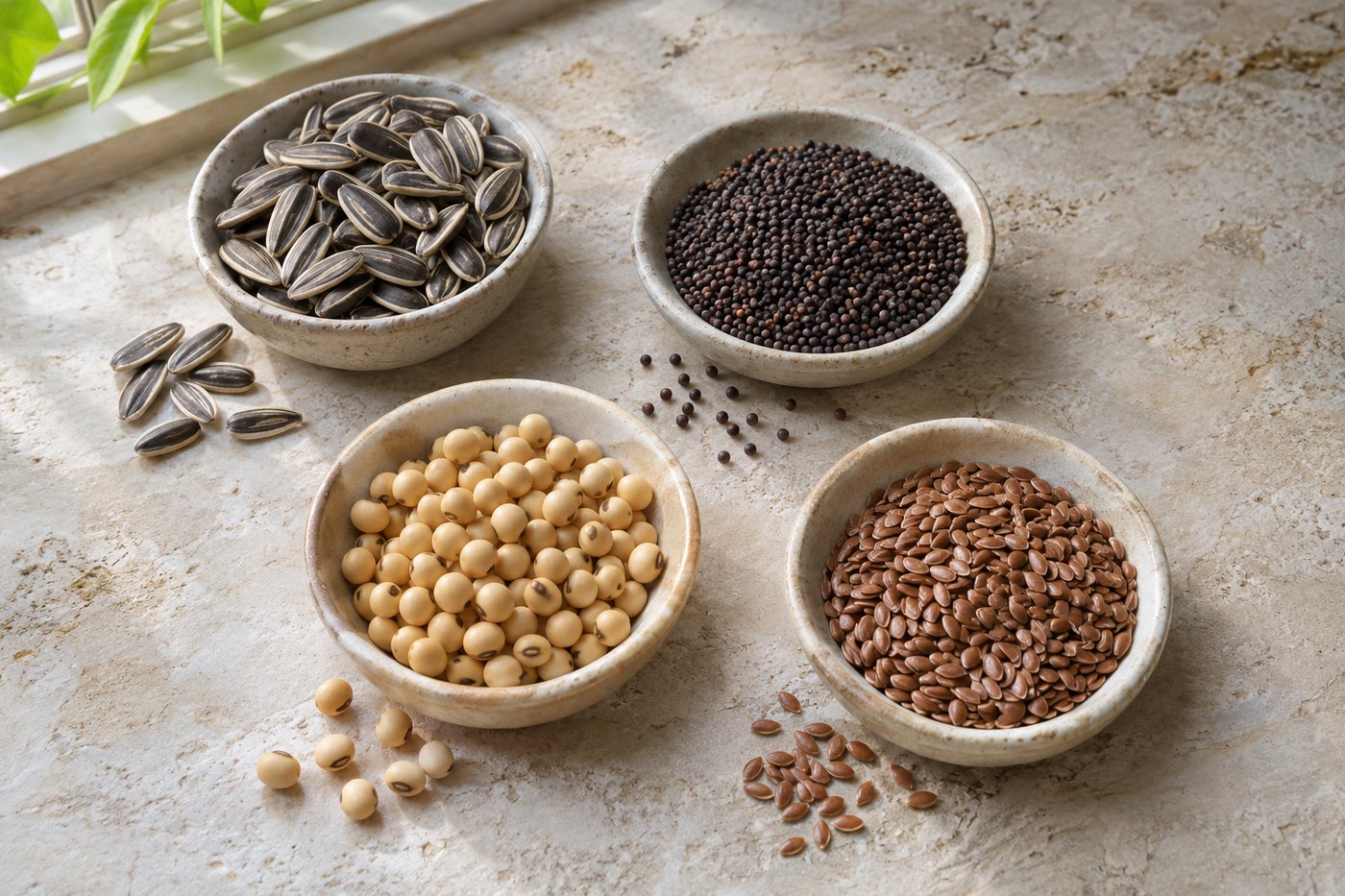
- Clean the seed. Remove stones, stems, dirt and other material brought in with the harvest.
- Crack and flake. Break or roll the seed into smaller pieces or thin flakes. This opens the seed structure for extraction.
- Condition with heat. Industrial plants heat the prepared material to help oil flow and prepare it for pressing or extraction.
- Pre-press where needed. A screw press removes part of the oil. The remaining solids leave as press cake. High-oil seeds such as canola, sunflower and peanut are usually pre-pressed; soybeans, at 18–20% oil, are not.
- Extract with hexane. The solvent passes through the prepared flakes or cake and dissolves oil left in the solids.
- Recover the solvent. Separate hexane from the oil and meal. Collect and recycle it within the plant.
- Degum. Remove phospholipids, often called gums, using water or other suitable treatments.
- Neutralize. In chemical refining, an alkali removes free fatty acids. Physical refining uses a different route for acid removal.
- Bleach. Adsorbent materials remove pigments and other unwanted components, then are filtered out. This is not household bleaching.
- Deodorize. Steam under vacuum removes volatile compounds that affect smell and taste.
Oklahoma State University’s refining guide describes these finishing stages. Their sequence and treatment conditions depend on the oil. Refined oil generally has a milder flavour and more uniform appearance.
What does hexane do?
Hexane is an organic solvent used to dissolve oil. Pressing squeezes oil from the seed, but some remains trapped in the cake. Solvent extraction recovers more of it, which makes the process useful for large production volumes.
The oil and solvent leave the extractor together. The plant then uses evaporation and steam stripping to separate the solvent from the oil. The meal also goes through solvent removal. Recovered solvent vapour is condensed and returned to the process.
The US Environmental Protection Agency’s vegetable oil processing report describes this recovery system. Hexane is a processing aid, not an ingredient added for flavour or nutrition. Solvent removal is a controlled production stage in the plant.
Cold pressing does not need this solvent recovery stage because no extraction solvent enters the process. That is a difference in production method, not a claim that one oil is healthier than another.
How canola oil is made
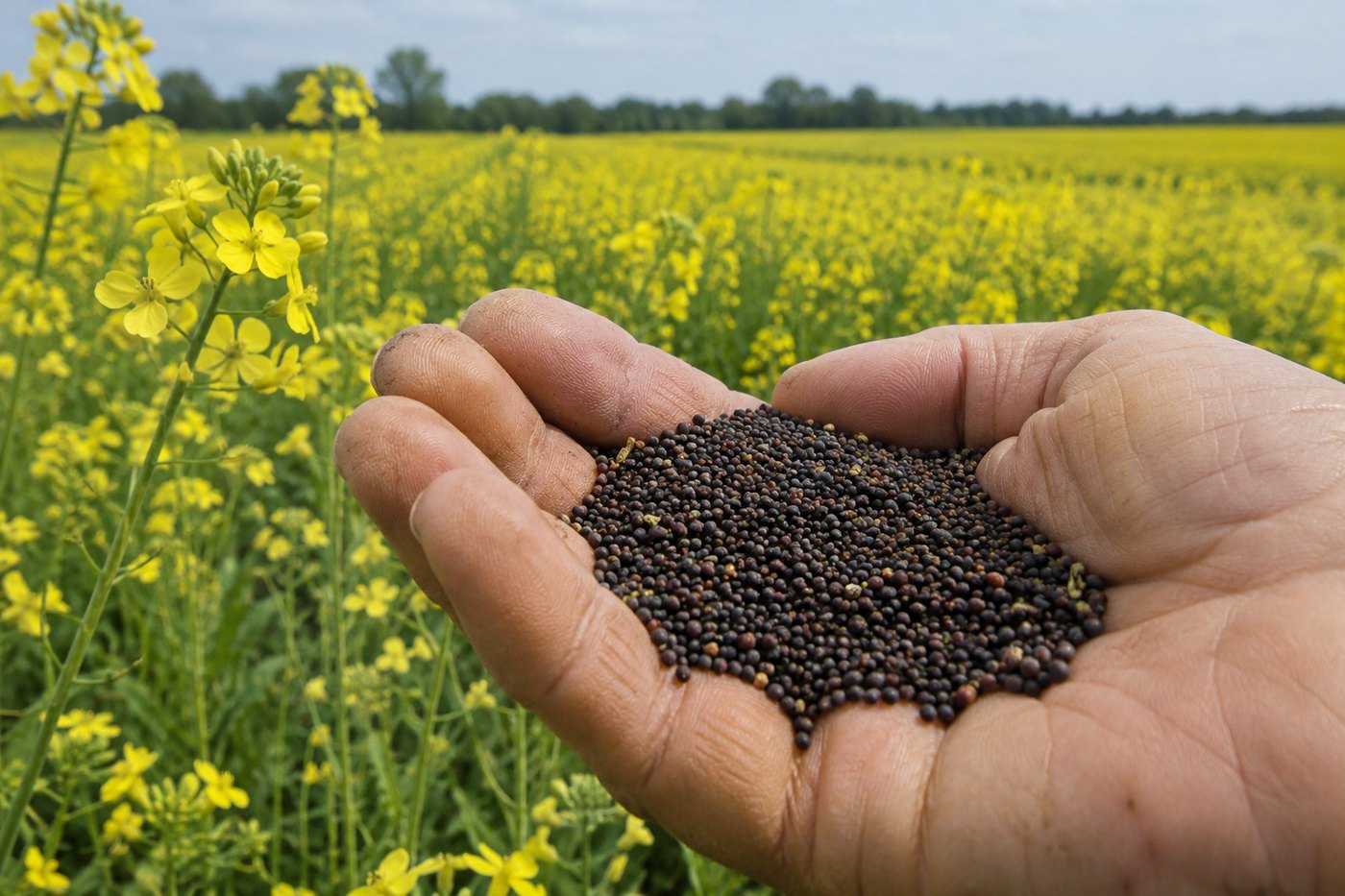
Canola oil comes from canola seed. In conventional processing, the seed is cleaned, heated and flaked. The flakes are cooked and pressed, and hexane extracts oil remaining in the cake. The crude oil then goes through refining.
The Canola Council of Canada describes this process, including solvent recovery and alternative pressing methods.
Expeller-pressed canola oil is extracted mechanically without solvent. The term does not mean that no heat was used: the seed may be heated before pressing, and pressing itself generates friction.
Cold-pressed canola oil is mechanically extracted without applying heat. Codex distinguishes cold pressing from heated mechanical extraction and allows settling, filtration and similar physical cleaning methods. See the Codex definition of cold-pressed oils.
Solvent extraction vs cold pressing
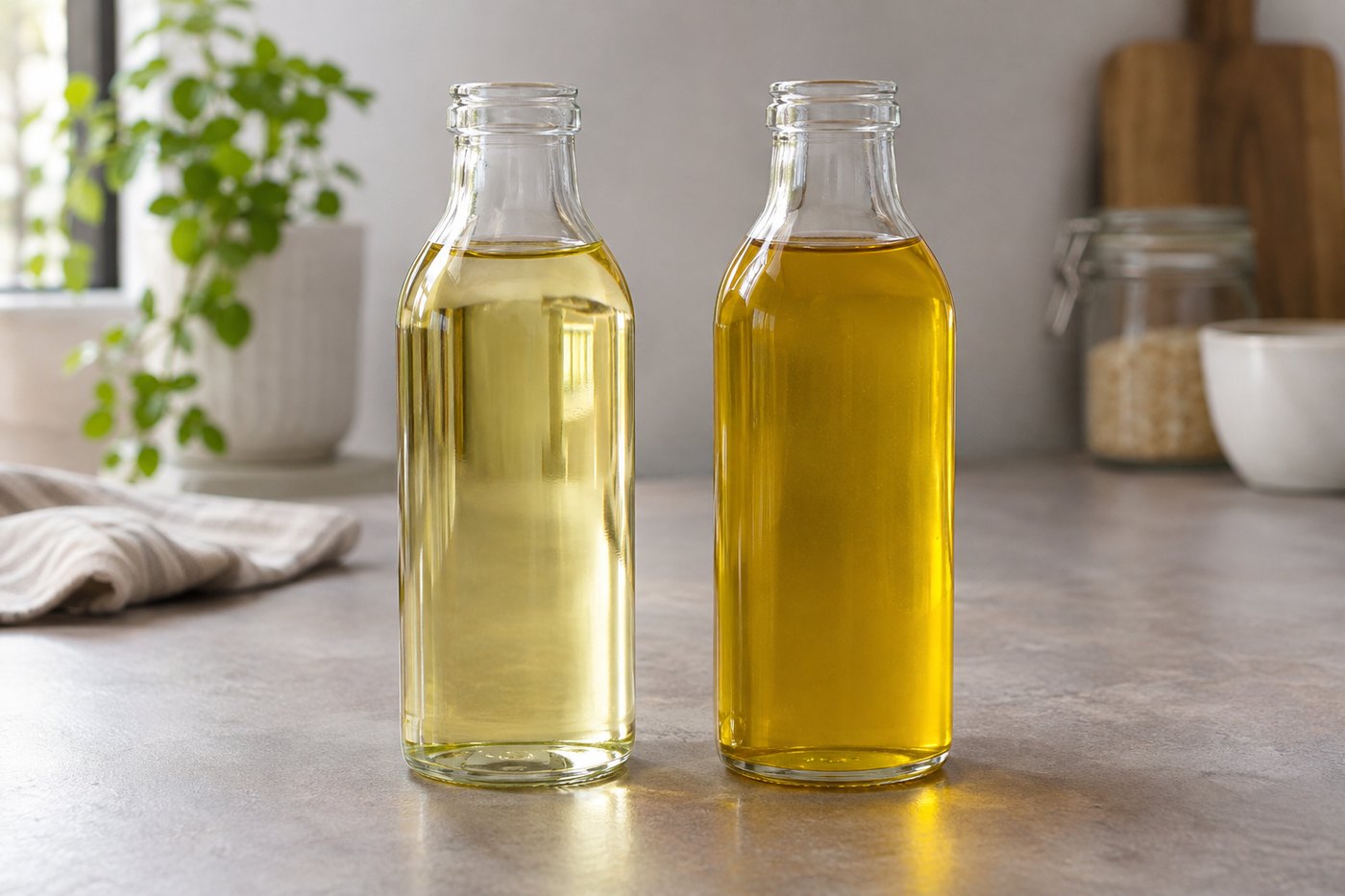
The practical choice is between higher oil recovery with more processing stages and mechanical extraction that keeps more of the seed’s characteristic flavour and aroma.
For a broader view of the processes, read our guide to oil extraction methods.
Cold pressing in a small business
A farm shop, health-food store, cosmetics producer or small oil business can work with a shorter process: prepare dry seed, press it, collect the oil and cake separately, then settle and filter the oil.
Our UM200 Cold Press Oil Machine presses dry seeds and nuts without extraction solvents or chemical treatment. Seed enters the machine; oil and press cake leave through separate outlets.
The pressing zone is not heated; only the cake outlet nozzle has a heater. The machine includes temperature control and a 1.5 kW motor. It is built from chrome-plated carbon steel (a stainless steel version is also available), CE marked and supplied with a two-year warranty. It runs on 220 V, with a 110–120 V / 60 Hz version also available.
The UM200 has a feed rate up to 45 kg/h and processes about 8 kg of seed per hour on average in steady work. Use the steady-work average when planning daily production.
Our approximate workshop oil yields, measured against seed weight, include 42% for canola/rapeseed and 42% for sunflower. These are oil yields, not hourly capacities. Seed quality, moisture and preparation affect the result. Our oil seed list helps you plan the raw materials.
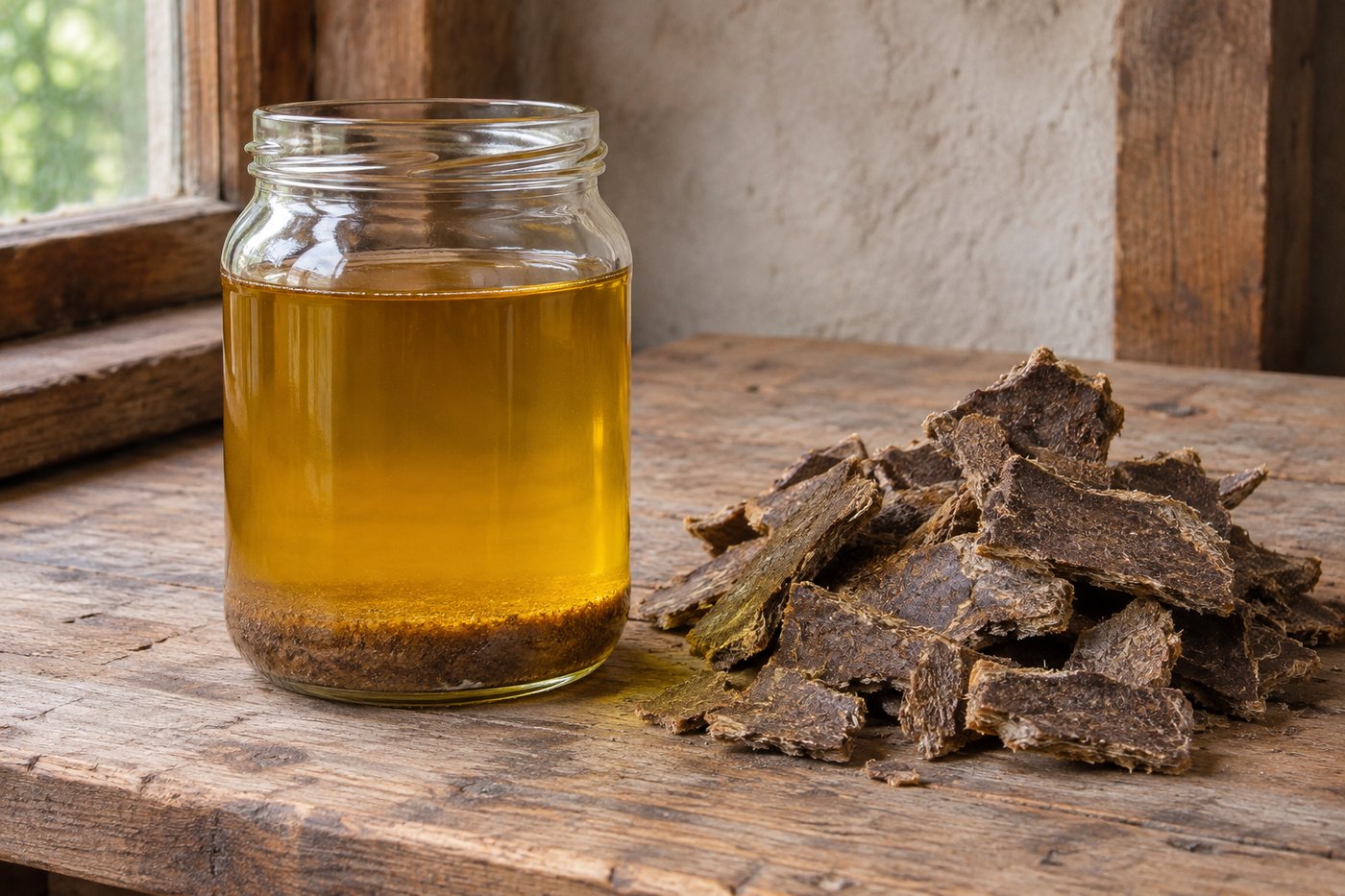
After pressing, collect oil in clean containers, let suspended particles settle and filter as needed. Record the seed lot, seed weight and collected oil weight. Keep pressing yield separate from the final filtered amount you bottle. See our cold press oil machine guide for the production setup.
Is vegetable oil made with hexane?
Many industrial seed oils are extracted with hexane, but not all vegetable oils use solvents. Cold-pressed and expeller-pressed oils are mechanically extracted.
How is canola oil made?
Conventional canola processing uses cleaning, flaking, heating, pressing, solvent extraction and refining. Canola oil can also be made by mechanical pressing without solvent.
Is cold pressed oil refined?
Cold-pressed oil is not normally put through the full refining process described here. Settling and filtration remove particles without turning it into refined oil.
How much oil comes from canola seed?
Our approximate UM200 workshop yield for canola/rapeseed is 42% of seed weight. Actual yield depends on seed quality, moisture and preparation.
Press your own seed oil with the UM200
Tell us which seeds you plan to press, your daily production target and your electricity supply. We will help you plan your UM200 setup.
Recent Comments